

At 100, Harry Lauder’s “Road to the Isles” was no road to riches for Jock McLellan
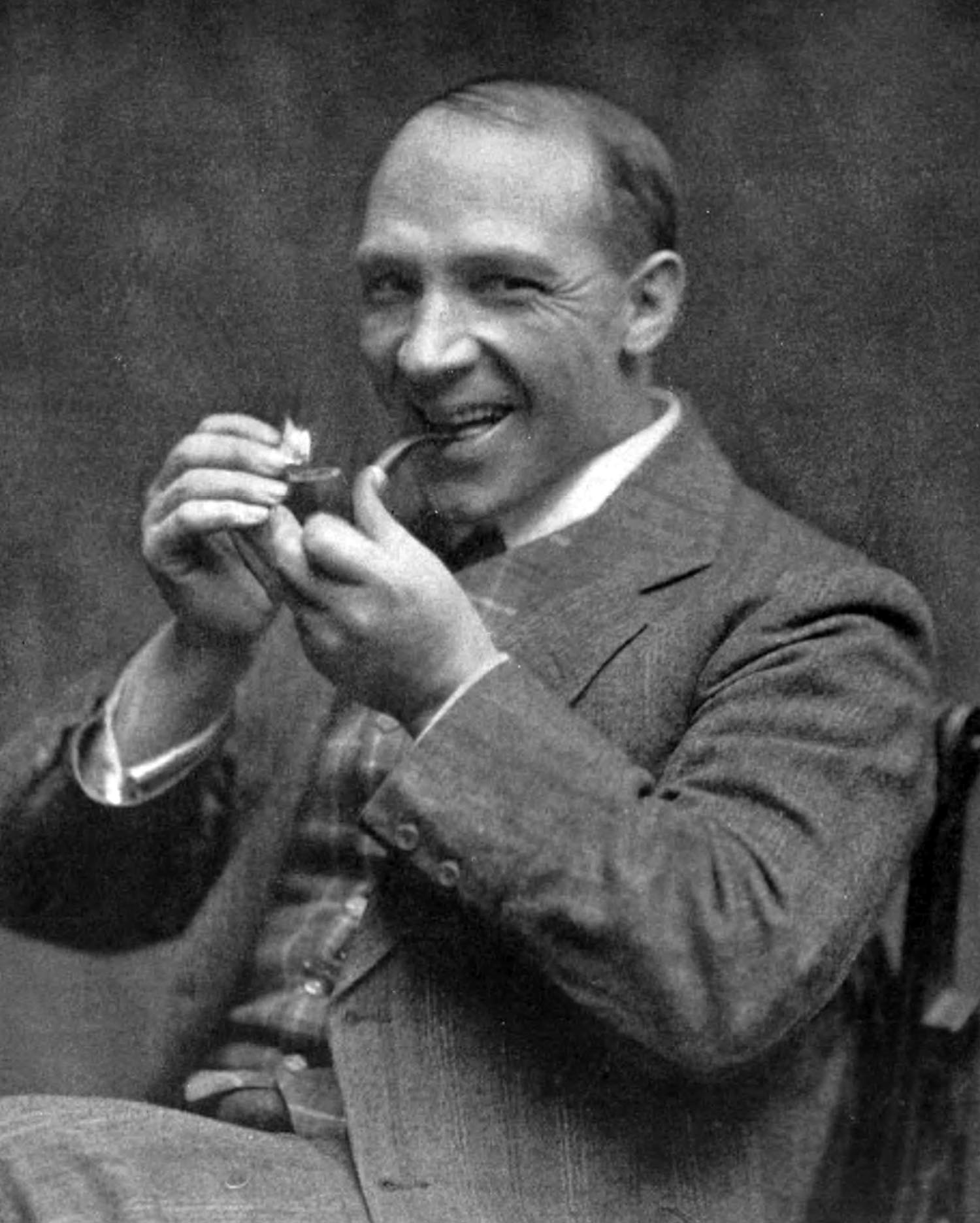
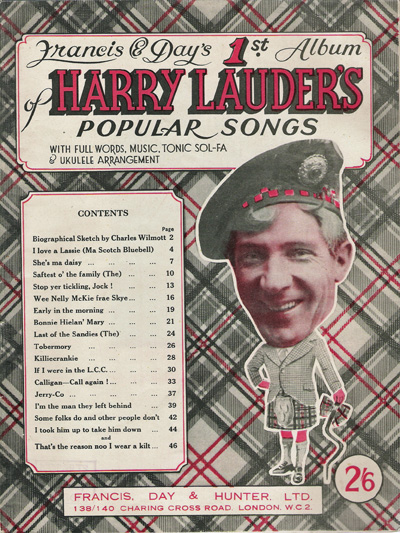
“The Road to the Isles” is one of the most-heard pieces composed for the Highland pipes, which became a certifiable, number-one-with-a-bullet, smash hit after the Scottish raconteur Sir Harry Lauder recorded his arrangement 100 years ago on March 4, 2026.
The centenary of pipe music’s first recorded #1 will be celebrated at a “Road to the Isles” installation at the Castle House Museum in Dunoon, Scotland, running from April through the summer.
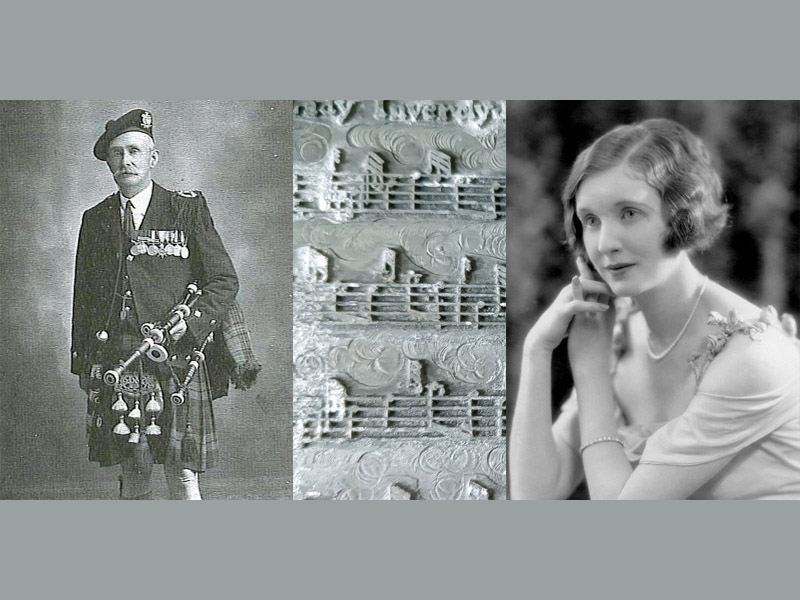
The music was composed by John “Jock” McLellan of Dunoon, whose 150th birthyear was marked at the same museum in 2025. McLellan originally named the lyric-less piece, “The Bens of Jura.”
The exhibit will highlight the links between McLellan and Lauder, as well as the landmark recording, and is another brainchild of McLellan’s grand-nephew, Duggy MacGregor, who spearheaded last year’s celebration of McLellan’s life.
The composition became known as “The Road to the Isles” when the Scottish poet Kenneth MacLeod wrote words and published them in Songs of the Hebrides in 1917, a book of “traditional melodies” that MacLeod collected with Marjory Kennedy-Fraser.
McLellan and Lauder were both residents of Dunoon when Lauder’s rendition was released in 1926.
Listen to the 1926 public domain recording of “The Road to the Isles” by Harry Lauder:
McLellan did not receive any credit in the book of “traditional” music, on Lauder’s 1926 vinyl recording, or in other reproductions of his copyrighted music. While Kennedy-Fraser and MacLeod might have been unaware of the music’s provenance, Lauder most certainly would have known his Dunoon neighbour well.
In short, McLellan’s work, if not outright stolen, was certainly exploited.
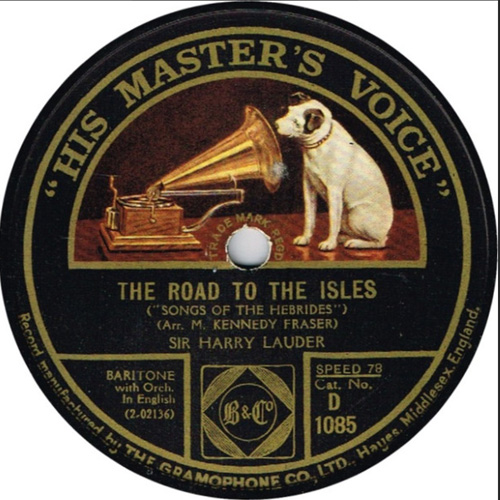
Recorded, produced and distributed by His Master’s Voice (HMV), the 78RPM record label listed Lauder’s “Road to the Isles” as “Arr. M. Kennedy Fraser” – arranged by Marjory Kennedy-Fraser. Kennedy-Fraser should not have received credit for the composition or the arrangement, which should have gone to McLellan and MacLeod, respectively.
McLellan might not even have been aware that his music was being given words. There was little he could do anyway. “Moral rights” allow the owner to deny any arrangement or use of their copyrighted work. The UK added moral rights to its copyright law in 1989, even though the country had signed the 1886 Berne Convention, which introduced key principles such as automatic protection and national treatment for creative works.
Interestingly, the United States is one of the few industrialized countries that does not recognize moral rights for music.
Lauder would have raked in royalties from sales of records, piano rolls, and other hard-copy reproductions of his recordings. Sadly, McLellan most likely would have received nothing for the live and recorded performances of his intellectual property. By all accounts, his compositions were not properly registered by his estate until late into the 1900s.
The crediting of the tune/song as “traditional” in early publications would have limited any claims to McLellan’s rights and royalties. Although McLellan had a legal basis to receive royalties, he likely received little or nothing from the massive global smash hit, “The Road to the Isles.”
Sir Harry Lauder was one of the highest-paid entertainers in the world in the early 20th century. By the 1910s and ’20s, he was earning £12,000–15,000 (about a million pounds today) each week when his variety show was on tour in the U.S.
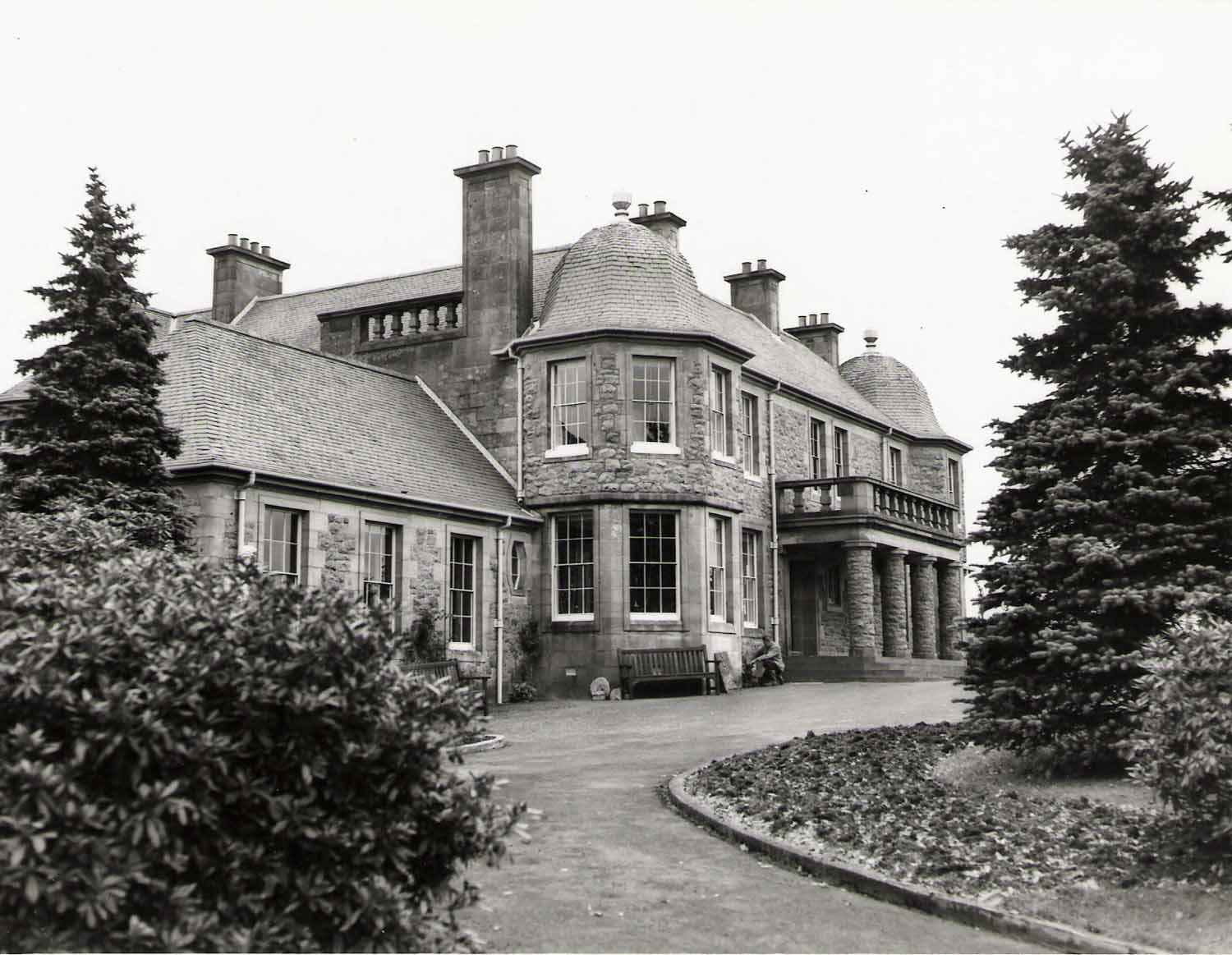
He built his massive Lauder Hall estate (often referred to as “Lauder Ha’ “) near Dunoon, and had substantial investments in property and businesses. When Lauder died in 1950, his net worth was estimated to be about £500,000, or more than £20–30 million today.

By stark contrast, McLellan’s wealth was modest and came almost entirely from a lifetime of military service as a regimental piper and pipe-major. He received the Distinguished Conduct Medal (DCM) for bravery under fire when he was a corporal in the Second Boer War. He continued to play the pipes under enemy fire to rally and steady the troops, helping to maintain order and bolster morale.
Copyright enforcement for pipe tunes is poor today, but it was almost non-existent before the 1950s. Even if registered, they were most often listed as “traditional” by exploitive or willfully ignorant companies and artists. That problem exists today, but awareness, enforcement and remuneration have improved greatly.
McLellan died in 1949. His estate’s legal ownership of his copyrighted music ended 70 years later in 2020, the term of copyright in the UK. McLellan’s compositions are today in the public domain, meaning anyone may use them in any way they wish, with no royalties due.
“The Road to the Isles” is a staple with pipers, pipe bands, Celtic musicians, and entertainers worldwide. In 1944, Bill Millin, “The Mad Piper,” purportedly played the tune at Sword Beach during the D-Day landings in Normandy, France.

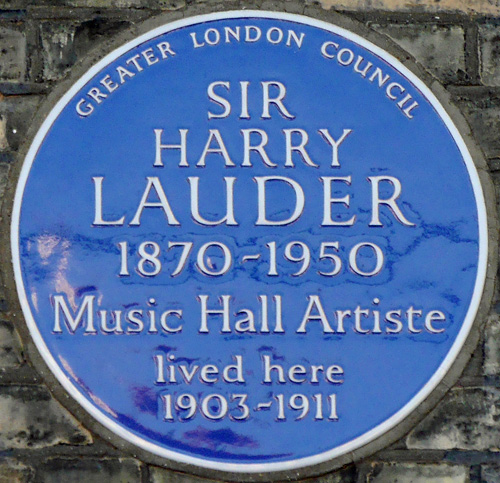
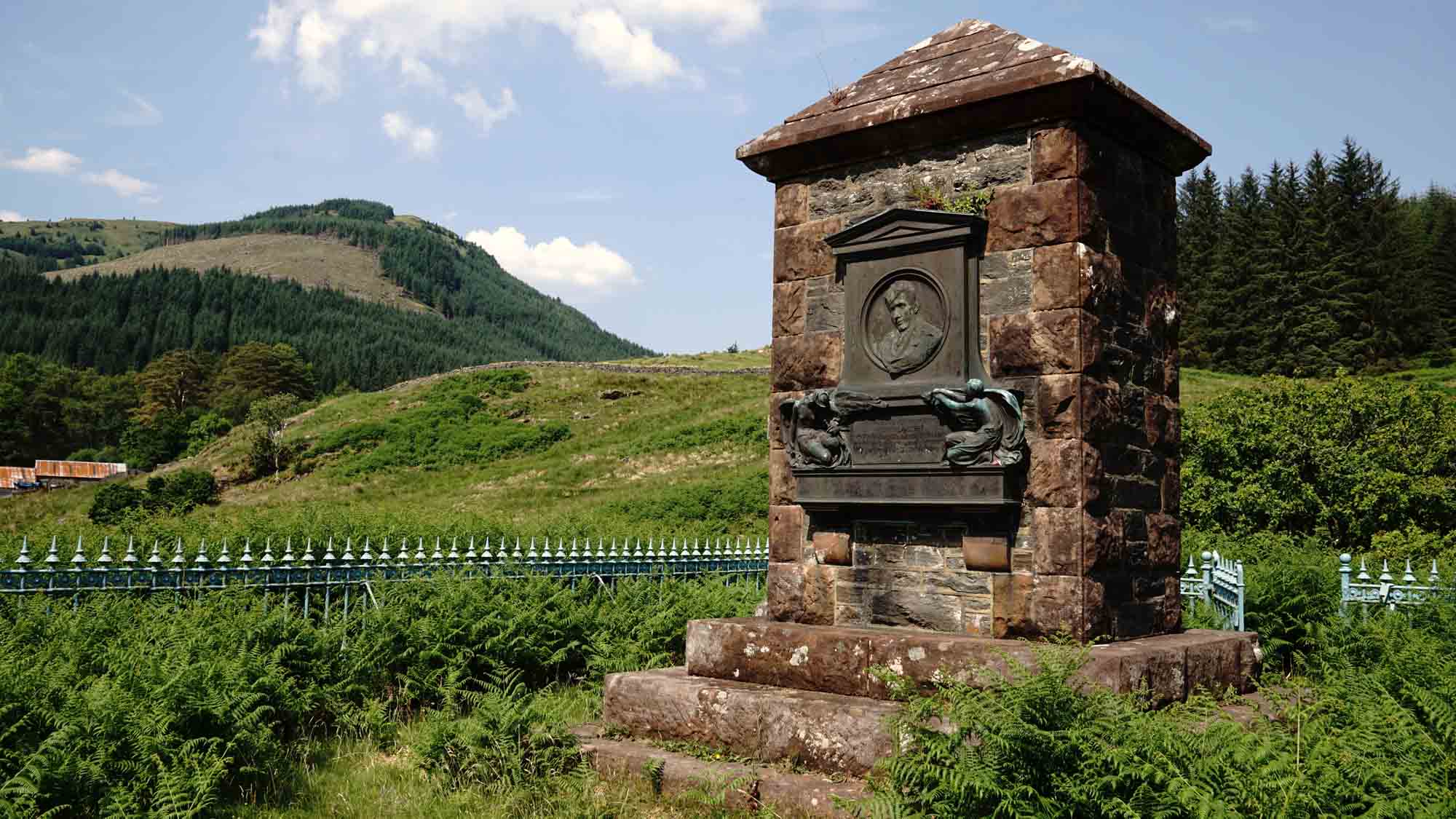
Lauder is honoured in numerous ways, including a large memorial in Invernoaden, Argyllshire, Scotland, and a historical plaque at 46 Longley Road, London, another of his many residences.




“The Bens of Jura” is a fabulous tune that doesn’t get the recognition and respect that it deserves. It makes a wonderful light 2/4 march, especially in its four-part arrangements. Thanks for publishing this article!