Greater expectations
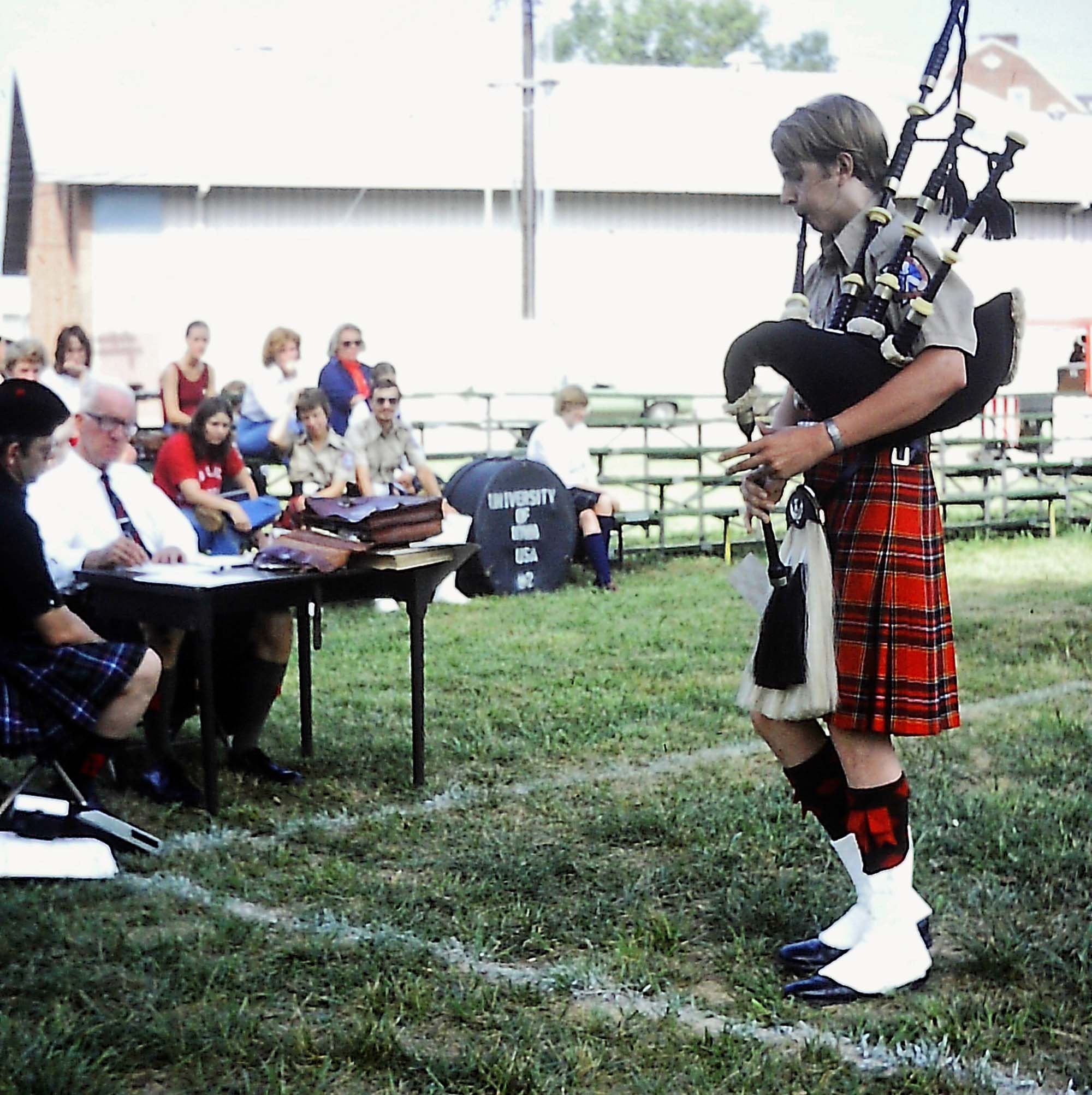
 At the recent PPBSO judges’ seminar there was an interesting section on the various solo piping and drumming grades. The gathering of about 25 adjudicators separated into smaller groups to discuss and determine what our expectations are in terms of tuning/tone, musicality and technique ranging from Grade 5 to Professional.
Obviously expectations of competitors rise along with the grades, with expression and music perhaps being the last piece to master in the complicated puzzle. That’s fair. Our master musicians at the top are those who have the technique and the tone – those are givens. But what separates the good from the great is expression, musical nuance and sophistication of delivery.
Not all judges, though, are up to the task of separating that musical nuance. Too many judges fall into the trap of looking for the easy out: they look for technical problems, like a dropped doubling or a slightly flat note, and they either ignore or are unable to recognize the bigger musical picture.
To me, apart from a corrupt adjudicator, these little-picture thinkers are the worst judges. They sit there and wait for an objective technical error, rather than reward the subjective musical side.
In addition to judges expecting more of competitors as the grades rise, competitors also expect more of the judges. By the time a piper or drummer reaches the top amateur and professional grades, they should expect to be rewarded for musical superiority, and they expect that, at the very least, they are assessed by adjudicators who are actually capable of making that judgment call.
The famous Andrew Wright famously said, “I’d rather give the prize to someone who went off the tune than someone who was never on it.”
Anyone can hear and punish technical mistakes. It takes a superior judge to recognize and reward superior music.

 If you could choose, what would be the last tune that you ever play? The last words in life of the famous are often quoted, and I’m sure that many of us hope to utter something profound or telling on our deathbed, as in the movies. Based on a few unfortunate experiences, it doesn’t seem to happen that way, but it’s a nice thought.
 My first real introduction to the Masons was in 1983 and I didn’t even know it. A naive 19-year-old American piper at the Argyllshire Gathering, I thought that Andrew MacNeill of Colonsay simply had a strange handshake. When I was introduced to him and shook his hand, he sort of tickled my palm. I didn’t think much of it, but when I saw him the next day and he spat on his hand before shaking mine, I thought it a bit queer.






 Quartet