

“Journey to Skye” composer Don Thompson on the origins of his historic suite – Part 1
“Journey To Skye” is one of the most important pieces of music in pipe band history.
And it wasn’t created by a piper or a pipe band drummer but by Donald Thompson, a master of jazz piano and bass performance and composition.
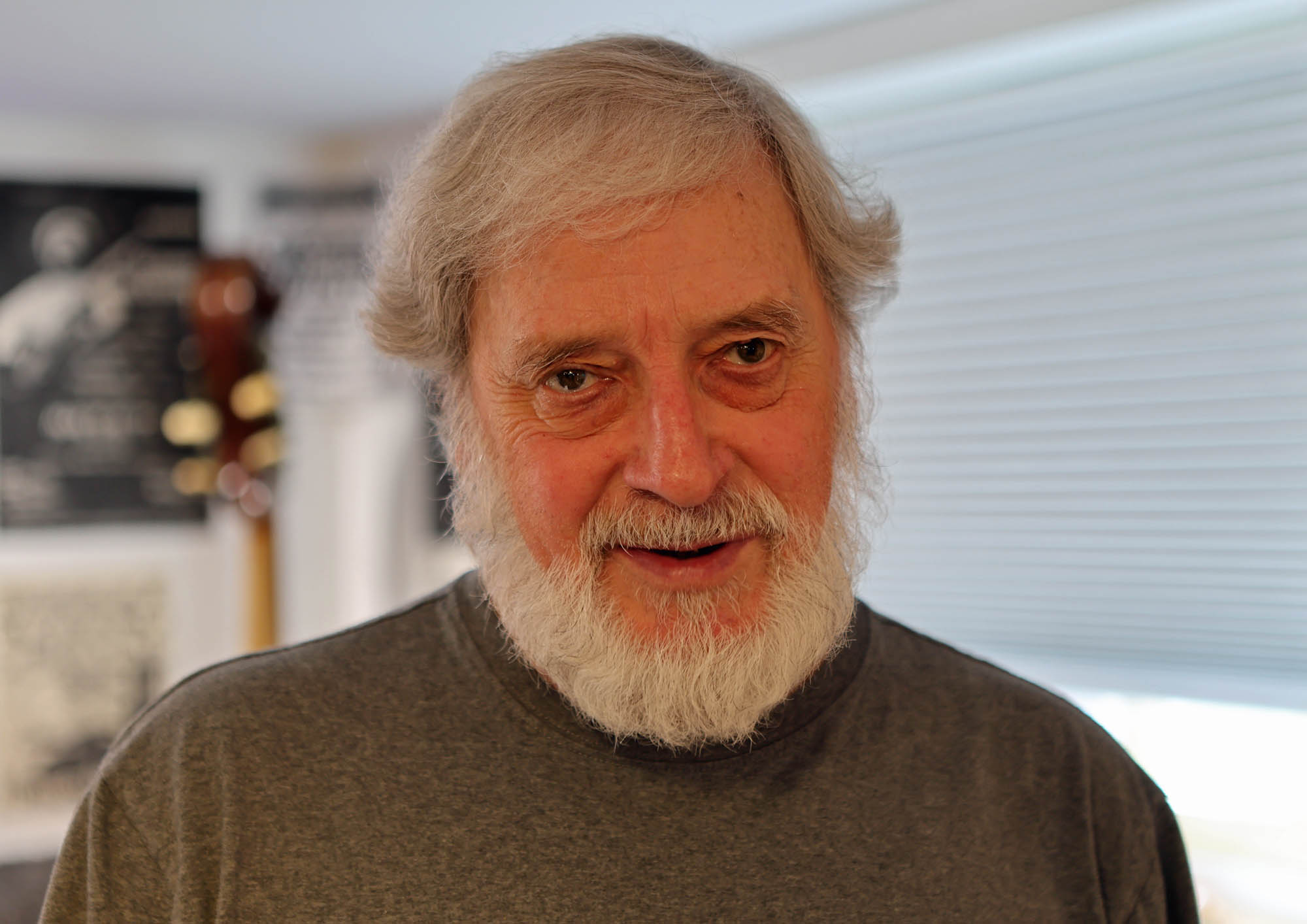
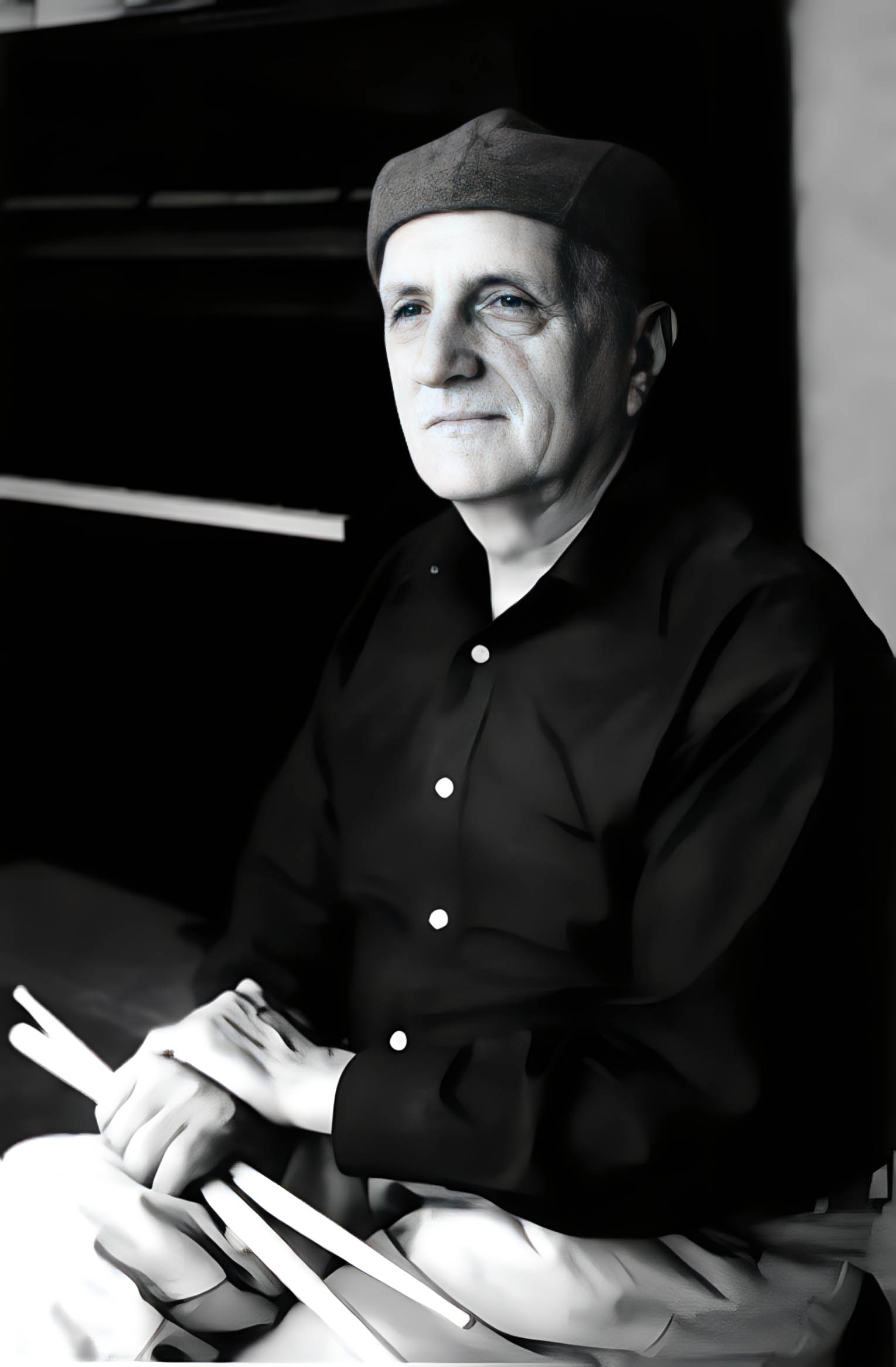
Thompson and Blackley established a relationship not only through music but also through their common bond with piping. Thompson’s wife was Norma Nicholson Thompson, the pipe-major of the famed Vancouver Ladies when the band won Grade 4 at the European Championships.
Norma Nicholson was also the daughter of Malcolm Nicholson, still the only piper to have been awarded the Order of Canada, which he received in 1978 for his services to piping.
Born in Powell River, British Columbia, in 1940, Don Thompson moved with Norma to Toronto to build their respective movie careers, Don in jazz composition and performance and Norma as a singer and the go-to piper for the burgeoning Canadian film and television industry.
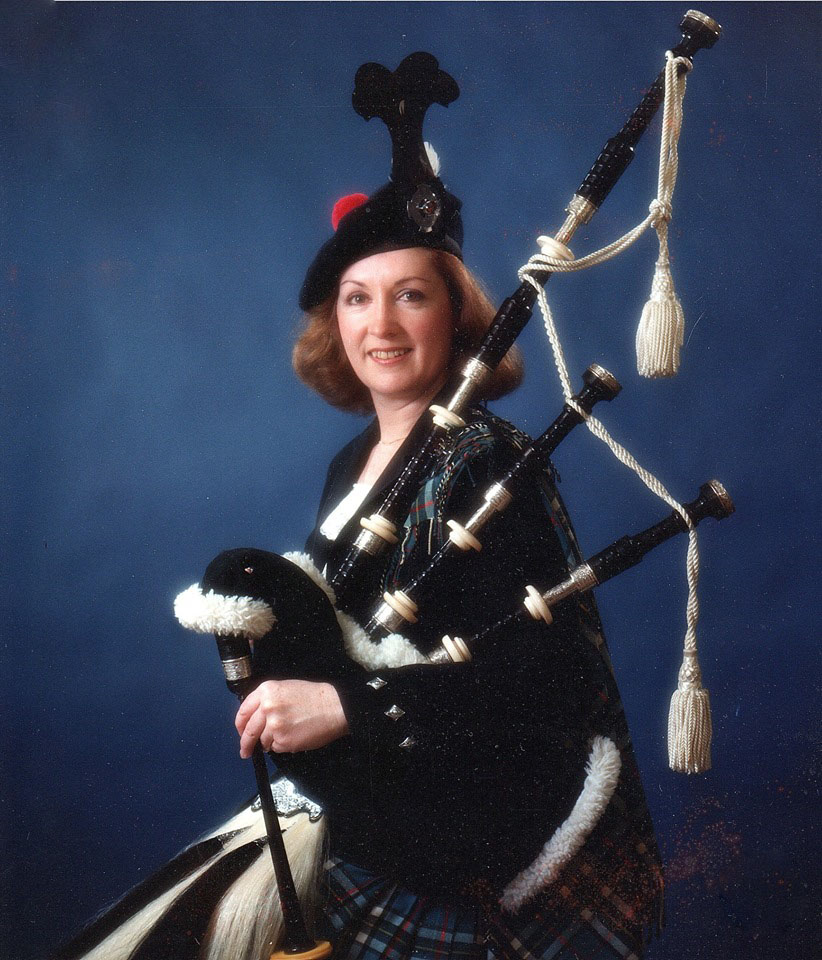
Thompson’s journey in music began early, and his dedication soon carried him onto the international stage. Over the years, he’s shared the spotlight with some of the finest names in jazz, while continuing to push boundaries as a bandleader, educator, and solo artist.
While Don Thompson was not a piper, he knew good piping by listening to Norma practice. He understood the instrument’s unconventional tonality and pitch and was fascinated by piobaireachd.
Jimmy Blackley had become friends with Bill Livingstone and Reid Maxwell, the leaders of the then Toronto-based 78th Fraser Highlanders. Blackley suggested that Thompson create a piece using the scale and nine notes of the Highland pipes.
He composed “Journey to Skye” with piobaireachd in mind. Thompson’s original final version was substantially different from the score ultimately performed. The piece blends jazz improvisation with the haunting beauty of Celtic tradition and was inspired by the landscapes of Scotland, a signature of Thompson’s ability to tell powerful stories through his music.
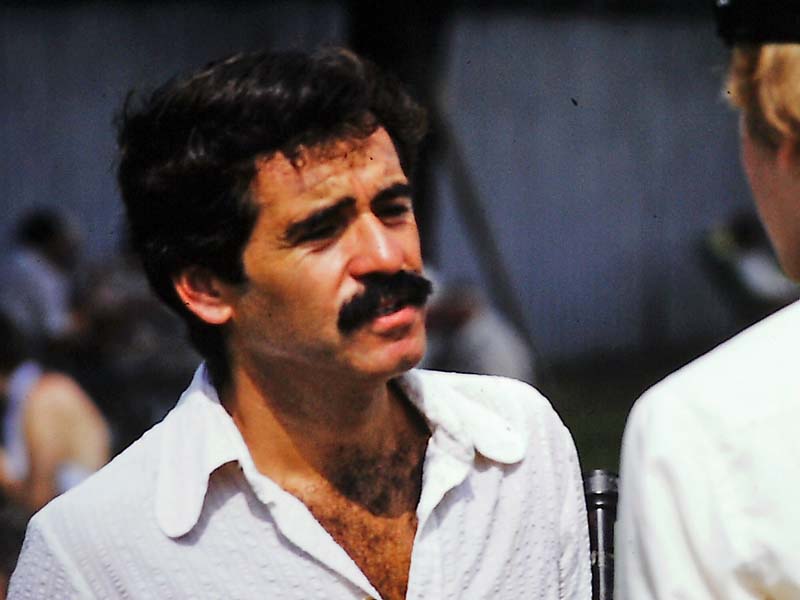
According to Livingstone, several band members rejected and even ridiculed the piece, unable to wrap their traditional pipe music genre-conditioned minds around the concept. In his pipes|drums Interview, Pipe-Sergeant John Walsh’s initial reaction was, “What on earth is that?!”
Livingstone persevered and ultimately worked with Maxwell to arrange a version they believed might fly.
By late 1986, after a few high placings, the band had a World Championship title within its realistic reach. Perceptions, politics and the pipe band zeitgeist were somehow on the band’s side.
As the piping and drumming world seems to be endlessly reminded, the band was invited to stage a concert in Ballymena, Northern Ireland, a few days before the 1987 World Championships. While the relatively more conventional, but creative, pipe band music was well received at the show, Don Thompson’s “Journey to Skye” had the most boisterous crowd response.
Forty years later, the pipe band suite is still the only genre played by pipe bands solely for pipe bands.
Many pipers have composed suites with varying degrees of success. “Journey to Skye” is still by far the most recognized and popular – and it was created by a jazz musician.
Thompson admitted today that he didn’t know about the lasting impact of his composition, but at 85 years old, he sees it as the piece that gained him the most renown.
The story of “Journey to Skye” has been told, but never by Don Thompson himself. Until now.
We met with him at his Toronto home studio for this exclusive conversation, which we will publish in two parts, plus a special bonus piece.
Here’s a transcript of Part 1, with minor editing for written clarity:
Part 1
pipes|drums: We’re here with Don Thompson in Toronto. Don is maybe not well known to the piping and drumming world, but he is a world-class jazz musician, and our world does know his composition, “Journey to Skye,” which he wrote in 1987. Don, thank you very much for taking the time today.
Don Thompson: I really am honoured to be doing this. Thank you.
pipes|drums: No, the honour is all ours. You’re an incredibly accomplished, multi-Juno award-winning musician, and we’re really pleased. Let’s talk about “Journey to Skye,” obviously. What inspired you to compose Journey to Skye?
Don Thompson: Jim Blackley, the drummer – a great drummer – was one of my best friends for years and years and years. He came into the house one time, and we were just in conversation casually, suggesting that he had a friend, Bill Livingstone, who was in this band, and he said, Why don’t you write a piece for them? I said, No. And then I thought, Well, that’s kind of an interesting idea because my wife was a great piper.
I met my wife in 1960. Her whole family were pipers, and Malcolm Nicholson was her father. He was a fantastic piper, and he taught half the pipers in Vancouver. He had three or four different bands that I know of. Anyhow, I was always around pipers and pipe bands, even though I didn’t play. But you know, I knew the notes on the instrument, I knew the drones, and I knew they were pitching B flat, even though they were written in A.
And I knew all that stuff. And not only that, but Norma, my wife, was a busy studio musician. She did a lot of films and a lot of television. She would do like Anne of Green Gables. She would do Mr. Dress Up. And she’d do film scores sometimes. I knew how, and sometimes the composer would call me and say, I gotta write something for the pipes, how does it work? I’d say, Well . . .
And I just asked Norma, How does that work? Why do you write for pipes? I actually knew how to do it. And sometimes they just call her, but she would just pass it on to me so I could explain how you actually write it. I knew the notes, and I also knew that it was like a blues scale. Because if you play a B-flat scale, the A is an A-natural, but if you play it on the pipes, it’s an A-flat. The bottom note is also an A, written in A, but it’s also in A-flat. It’s a blues scale, so it’s a jazz scale.
And when Jim suggested, Why don’t you write something for pipes, I thought Well, I got nine notes and it’s a blues. And I thought, I’m not going to write a blues because you can’t really do that. You’ve got nine notes; you go one note more than an octave.
I started thinking, what can you do? And then my mind went directly to John Coltrane. Because John Coltrane was, more than anybody else, the one who got jazz into playing modes. I thought, What would Trane do? And I just came up with something.
I started thinking, what can you do? And then my mind went directly to John Coltrane. Because John Coltrane was, more than anybody else, the one who got jazz into playing modes. He would take a mode like that, and he would write a melody on the notes in a particular scale. I thought, What would Train do? And I just came up with something.
I thought sounded kind of nice and then, Well, that’s not going to go very far. It was about eight bars long. And I thought, I can write some variations and maybe write like a little counter line, like a canon or something like that. And it came pretty easily because it’s not like you have a lot to work with.
When you’re only working with nine notes, it doesn’t take very long to figure out what you can do and what you can’t do. And the original melody didn’t take long to come up with. I thought it was kind of nice.
Norma played all the time. She’d be practicing. But she played a lot of piobaireachd, which I really liked. When she played piobaireachd, I just loved it. I would just sit there, and it was so beautiful to me. I thought, wouldn’t it be nice if it just started with a solo piper playing the melody, as though it were a piobaireachd. I can visualize him standing out by himself, playing and something like that.
Then the counter-melody is the same melody, and it expands on that. And then the middle part, when it goes into 6/8 – a different melody, but the same kind of thing. Make that in the counter melodies also.
pipes|drums: You had been to Scotland?
Don Thompson: Ten years earlier, I’d been to Scotland. Norma and I and our whole family, our parents and our two sisters, we all went to Scotland together. Spent a whole month there. And we wound up, at the end, the last place we went was Skye. And I remember, and I’ll never forget this, when we got on the boat to Skye. Before the boat, just as the boat was pulling out, Norma was on the back deck, and there were many people. And she took her pipes out and played the sky boat song while the boat was going out. And people were just in shock. And I was just frozen. It was so beautiful. And people, it was just one of those moments you couldn’t plan. It was a spur-of-the-moment thing, but it was really powerful. And Norma could really play. I mean, when she played, it was serious.
pipes|drums: She was a very famous piper and pipe-major. You’re around good piping all the time.
Don Thompson: She was amazing. I’d listen to her play all the time, and she would kill me. I hear music all the time. I’m working with people so much, and I was working all the time with different musicians in all kinds of music, classical musicians, jazz, you know, country music. It depends on what I did when I got to work. But every now and then you work with somebody who just kills you. They got a feeling and a power.
You think, Wow, that’s the way the violin goes? Nobody else plays like that. How come you do… You know, there was a woman called Adele Armin, who was a violinist. And she was like that on the violin. When she played, it just stopped the world. You couldn’t ignore it. You just had to listen. It didn’t matter what you were doing. You just had to drop everything and listen to her play. Because it was just so amazing when Adele played. And Norma was exactly like that.
When she played, it just stopped the world. And that’s what happened on the boat when we were leaving Skye.
pipes|drums: When you composed “Journey to Skye,” when you were sitting down to write it, did you have a pipe band in mind?
Don Thompson: No, I didn’t. I’d heard lots of bands, but not that one. I knew there was, because Jim told me about it. I knew it was a great band, but I had yet to hear them. I heard Norma’s band. I heard lots of other bands too, when we were in Scotland. We went to the Edinburgh Festival, and she saw their band play there, and we heard lots of bands there. Then, we heard the massed bands, you know, when they all play together. It was crazy.
I knew what a pipe band sounded like and what the drummers could do, too. And that’s why I didn’t bother writing anything for the drums, because I knew I couldn’t come up with anything close to what they would come up with if they did it themselves. I just left that wide open.
After I finished it, I thought, well, that’s it. I took it upstairs, and Norma put it on a stand and got her pipes and played it right through from beginning to end. She’s on a turning page. She just played the whole thing. And just gave it back to me. Said, “It’ll be fine.”
pipes|drums: So, you’ve written the first draft of the piece. Was it six and a half minutes long, like the ultimate version?
Don Thompson: I wasn’t thinking about its length, so I don’t know. I just remember I wrote the part. The part’s there, but that’s not, that’s the finished, I did it all nice with the ruler and everything. But the first part was just rough. But after I finished it, I thought, well, that’s it. I took it upstairs, and Norma put it on a stand and got her pipes and played it right through from beginning to end. She’s on a turning page. She just played the whole thing. And just gave it back to me. Said, “It’ll be fine.”
I just stopped worrying about it because I figured if there were anything that didn’t work, she would have told me. But she said, No, it’ll be fine. She looked at the way the parts went and everything, and she understood exactly. I just figured, okay, this is good. This is cool. It’ll be fine. And I just left it at that.
pipes|drums: Ultimately, you got together with the band. You introduced it to Bill Livingstone.
Don Thompson: Eventually, we had a rehearsal, which was bizarre because Bill played the beginning. It was just beautiful, needless to say. But then, when the band came in, you know how you repeat the melody a little later? As soon as they repeated, they came in right in time. They couldn’t wait because they didn’t realize it was supposed to be after.
And it got really complicated then. And it took a long time before the second part came in at the right time because they all wanted to come in at the beginning of the bar. And it was the way it’s written. And that was the biggest problem. When they got that together and figured it out, then everything was fine.
pipes|drums: Was there any pushback from the band? Were they embracing it totally?
Don Thompson: Not the first time, no. It was so difficult for them that the rehearsal went by, and I don’t remember much about it afterward. But then they really had it down the next rehearsal, and it was great.
pipes|drums: At the time, there was nothing else like it. There has still been nothing else like it. The idea of a suite was a foreign idea to pipe bands at that time.
Don Thompson: Apparently. I didn’t know that, though. When I’m writing for a [jazz] band, a big band or a small jazz group or whatever, I write music like that all the time. It never occurred to me that that was anything different. It’s just the kind of music I would write for anybody else. I didn’t know it was different.
Stay tuned for Part 2 of our conversation with “Journey to Skye” composer Don Thompson coming soon.

NO COMMENTS YET