

(Updated) UK implements new visitor entry requirements, with added rules for paid “work”
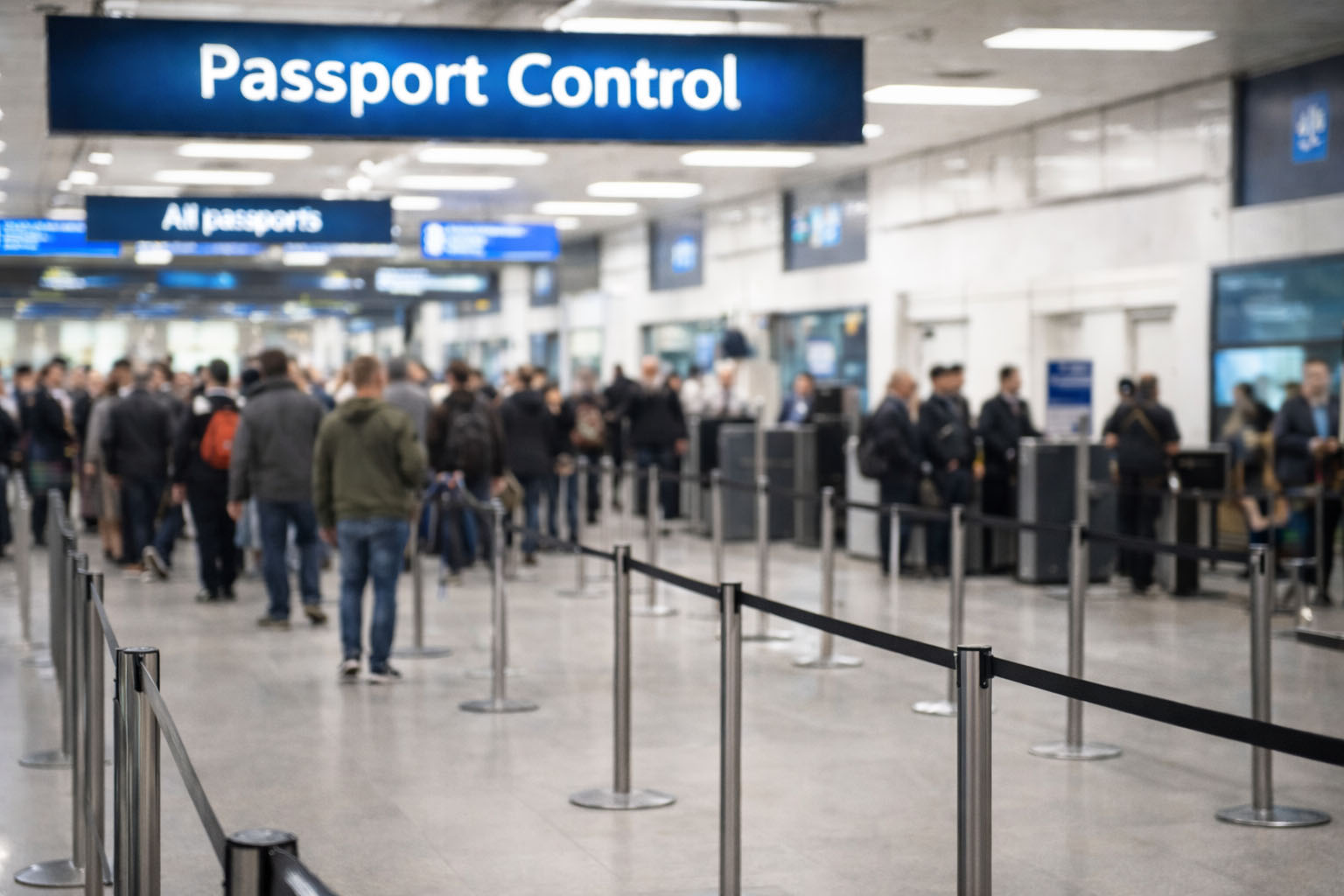 If you’re one of the thousands of non-UK citizen pipers and drummers planning to travel to the UK to compete, judge, or simply attend competitions, performances and festivals, you’d be wise to get your papers in order, as significant new border measures will be introduced on February 25th.
The new Electronic Travel Authorization (ETA) documentation will be mandatory for nearly all visa-exempt short-stay visitors. The new rules apply to travellers from Canada, the United States, and much of Europe.
The ETA is a digital travel clearance process similar to ESTA in the United States and Canada’s eTA. The UK’s new ETA is not a visa; visitors could be denied boarding by airlines, ferries, or international rail operators if they do not hold an approved ETA linked to their passport.
An ETA will allow stays of up to six months for tourism, business, family visits, or study at accredited institutions. The process can be completed online, usually in minutes, though the UK advises travellers apply several days in advance of their planned departure.
The ETA is valid for two years or until the linked passport expires, whichever comes first. An ETA currently costs £16 (about CAD$30 / USD$21), and applications can be submitted through the official website or a dedicated app.
UK and Irish citizens are exempt, as well as UK visa-holders. Any connection requiring passage through UK passport control requires an ETA.
The UK government on February 26th will also begin to enforce an unusual and costly new rule that requires dual multi-nationals who have a UK passport to enter the UK with their UK passport, or with their non-UK passport provided they also have a “Certificate of Entitlement.”
British citizens with one or more other nationality currently can come into the UK using only their foreign passports and no ETA.
If one has UK citizenship by birthright (i.e., born in the UK or with at least one UK-born parent), they must have a valid UK passport to enter the country.
“People might not realize that, while they are exempt because they are British or Irish citizens, they must travel with a British passport.”
“People might not realize that while they are exempt because they are British or Irish citizens, they must travel with a British passport,” stressed one pipes|drums reader.
Renewing a UK passport costs £94.50 (CAD$175 / USD$129) and takes several weeks or longer to process. A Certificate of Entitlement costs a rather appalling £589 (CAD$1090 / USD$802) and must be renewed along with a passport.
If none of that appeals, fed up UK nationals can always go through the somewhat complicated, lengthy and costly process of renouncing their citizenship.
Earning money while in the UK
A key element for the piping and drumming community is greater clarity on “earning” money in the UK.
Visitors entering under an ETA cannot perform paid work, receive appearance fees, collect prize money designated as “work,” or engage in any income-generating activities unless they hold the appropriate visa. These include “permitted paid engagement,” “creative worker,” or “standard visitor with permitted performance conditions.”
Crucially important for pipers and drummers: Unpaid performances, competitions awarding non-monetary prizes, or activities considered “incidental” to a holiday are permitted.
If your band receives prize money collectively, and no individual member is personally paid, individual members do not need a work visa. The band, as an organization, does not require a work visa or permit, but it is wise to double-check.
The new requirements are likely to be particularly relevant for international competitors, recitalists, adjudicators, instructors, and guest players travelling to Scotland (or other UK countries) for competitions or summer schools.
With thousands of pipers, drummers, judges, and enthusiasts travelling annually for major competitions and teaching engagements, the new requirements represent a fundamental logistical detail.
Failure to obtain the required permissions could result in denied boarding or refusal of entry. The ETA application website also advises, “An ETA does not guarantee entry to the UK.”
Travellers are advised to double-check or seek legal advice well before they depart for the UK.


I am a UK citizen by birth but hold an Irish passport because my father was Irish. Dual citizens can enter the UK with a UK or Irish passport.
Other passports (aka 3rd party) will require further documentation.
Key Takeaways
→
Starting February 2026, dual nationals must present a British or Irish passport for UK entry.
→
Foreign passports will only be accepted if they contain a Certificate of Entitlement for right of abode.
Airlines may deny boarding at the gate to dual citizens failing to provide these specific documents.
UK authorities will deny entry to dual nationals who arrive from 25 February 2026 carrying only a non-UK, non-Irish passport, tightening document checks as the country moves to full enforcement of its Electronic Travel Authorisation (ETA) scheme.