

End of an era as renowned pipe bag maker James Begg retires after 46 years

Begg established Begg Bagpipes in Glasgow in 1980, initially working from home before setting up premises on Robertson Street in 1982. The business subsequently operated from Renfield Street and Bath Street before moving to Kirkintilloch, northeast of Glasgow.
Begg learned the traditional craft of pipe-bag making from the late Rab Kelly, the noted piper and bag maker who later emigrated to the United States. Over the ensuing decades, the Begg sheepskin bag became one of the most widely used traditional pipe bags at the highest levels of piping and pipe bands.
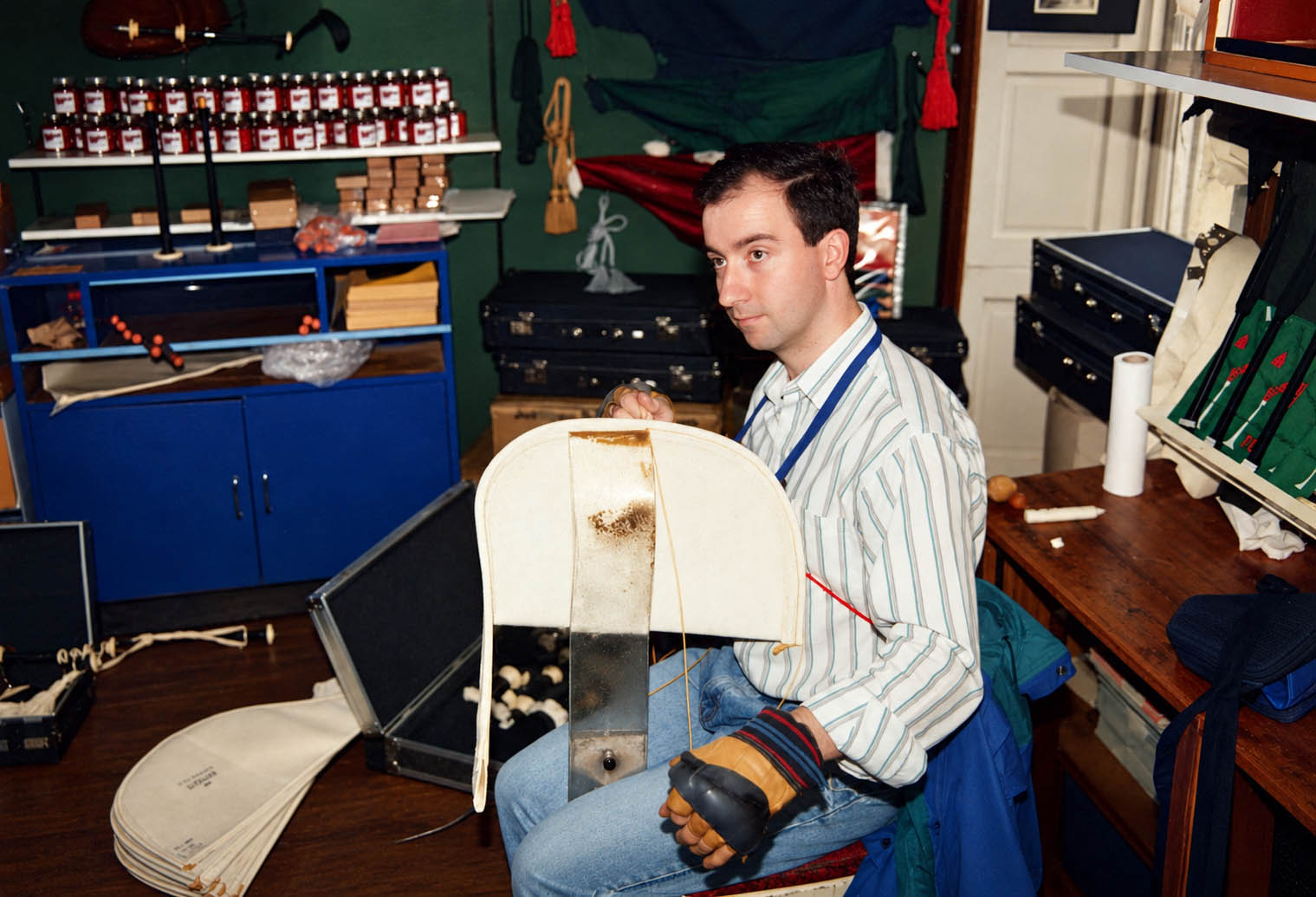
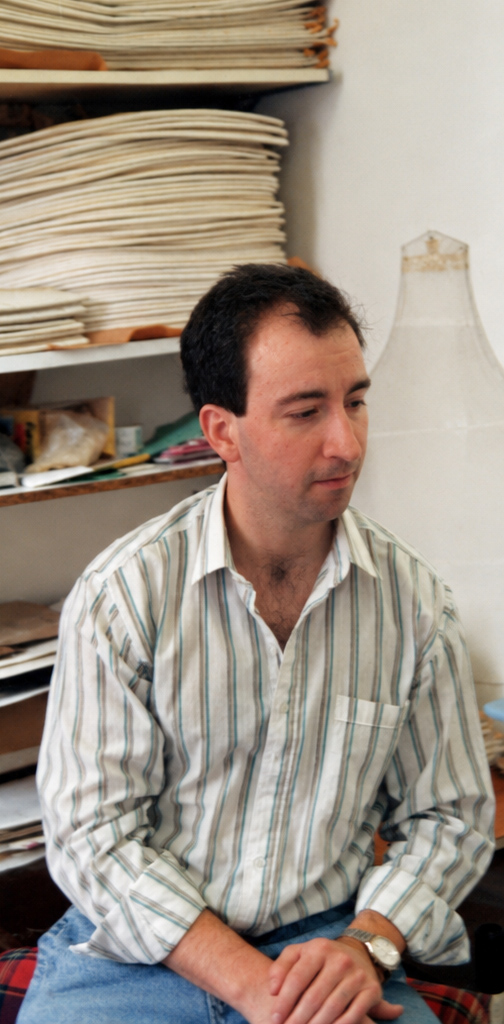
With the advent of synthetic pipe bags and moisture control systems on the commercial market, Begg never wavered from using natural skins and hides, correctly predicting that strong demand for his tried-and-true sheepskin products would be largely unaffected. Throughout his career, he personally made every pipe bag by hand.
That demand, combined with ever-increasing material costs, pushed the price of genuine Begg pipe bags to around £340, or nearly $500.
In addition to being a world-class pipe bag craftsman, he was a top-flight solo piper in the 1970s and ’80s, and played with several Grade 1 bands, including Babcock-Renfrew.
Jimmy Begg reportedly plans to wrap up the business in about a month, after 46 years as one of the longest, most successful and influential careers of any modern pipe bag maker.



I think I got my first Begg bag in 1981. Never played anything else throughout my career. Enjoy your retirement James!!!
Just got to enjoy a beer or two with James Begg at Piping Live this summer. Very nice guy and great conversation. Hope you have a wonderful retirement!