

No contests? No worries! How SFU prepped to win the 2026 Worlds, the band’s second competition of the year
About 30 years ago, the Simon Fraser University Pipe Band travelled to Scotland to compete in the World Championships. There was plenty of discussion (and ridicule from other bands) that every band member carried a large bottle of Evian water on the flight to Prestwick to stay hydrated. They had also reportedly worked with a sports psychologist to learn visualization techniques – all intended to give the band an edge in the big contest.
The derision soon stopped when SFU resoundingly beat their hard-partying, dehydrated and less-focused competition.
Beyond their obvious musical and technical delivery, what might separate SFU from the rest is their ability to focus when everything is on the line.
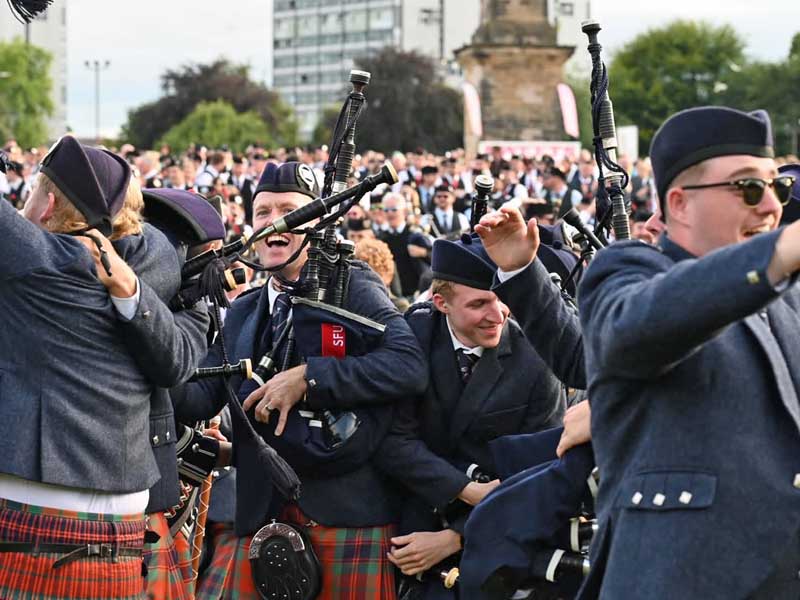
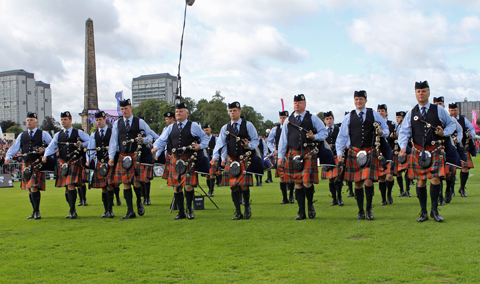
SFU thrives in the clutch, when everything is on the line (four lines, actually), and nowhere was that more evident than August 14-15 at the 2026 World Championships at Glasgow Green.
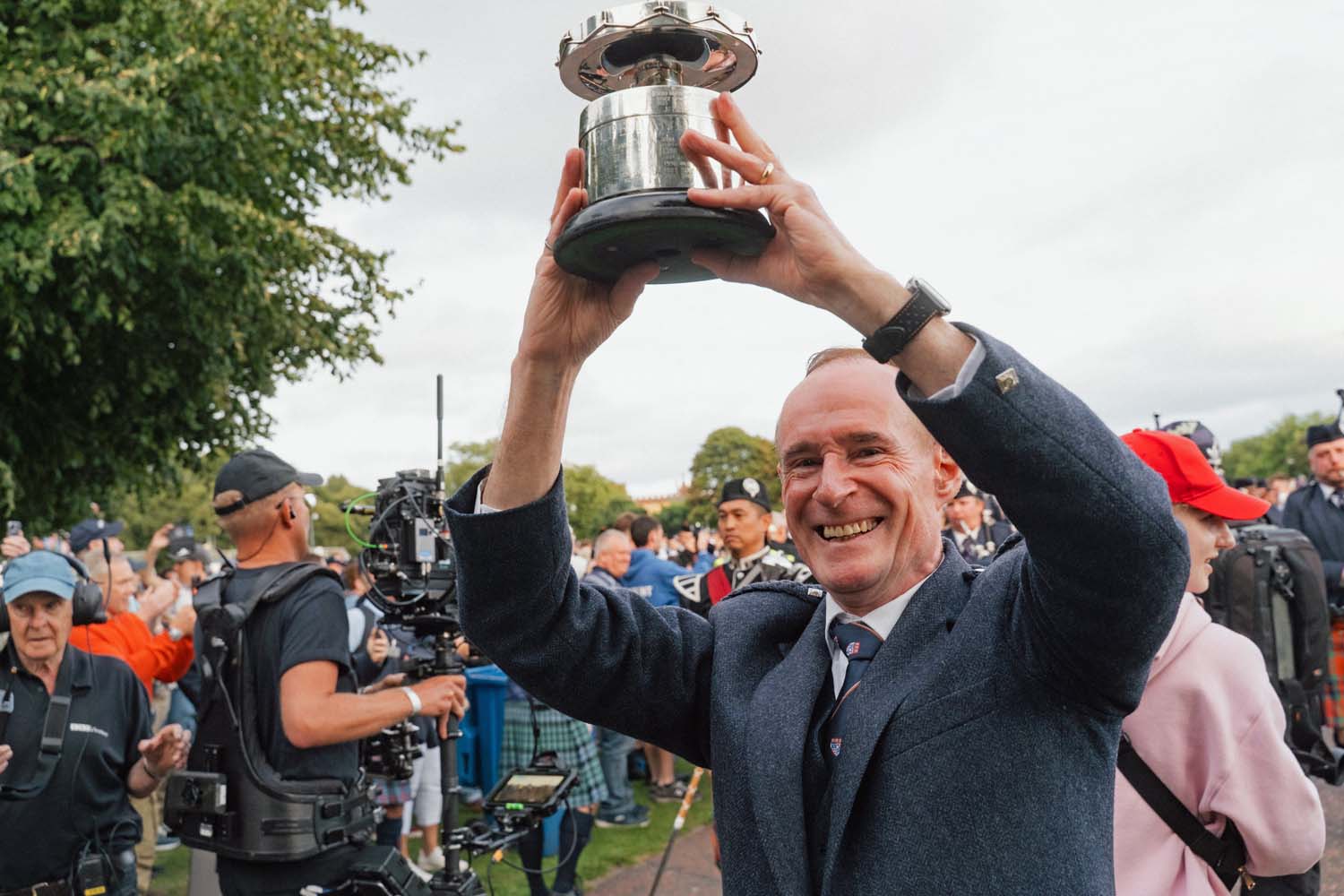
Over the last two years, the band has actually competed in a grand total of four contests.
In a culture that typically thrives on competition to test-drive new material under the pressure to win, SFU has had to take a different route. With the nearest Grade 1 band some 2,000 miles away, for the band to face competition, they either have to travel an ocean’s distance or hope that a Grade 1 band comes to their region, as St. Thomas Alumni did in 2025 and 2024.
To win the ultimate prize in the pipe band world, the band’s ability to prepare so thoroughly and effectively without the microscope of competition is not just remarkable; it’s truly astounding.
How do they do it? What kind of discipline and commitment are required?
A little over a month since Pipe-Major Alan Bevan, Leading-Drummer Reid Maxwell, and Pipe-Sergeant Craig Sutherland revealed some secrets about how they assembled their new competition medley, the occasion of them winning 2026 World Championship – the seventh in the band’s 35-year history – we wanted to delve into just how a band so far away and isolated from competition can turn up in Glasgow, laser-focused and ready to deliver the goods.
Still recovering from celebrations on August 15th and beyond, being pulled in every direction with mainstream media requests, reviewing invitations from local politicians, and even receiving congratulations from Canadian Prime Minister Mark Carney, Alan Bevan, Reid Maxwell and Craig Sutherland found a few minutes to connect from various Scottish locations to talk about just how they do it so well.
Here’s a transcript of our conversation, with minor edits for written clarity.
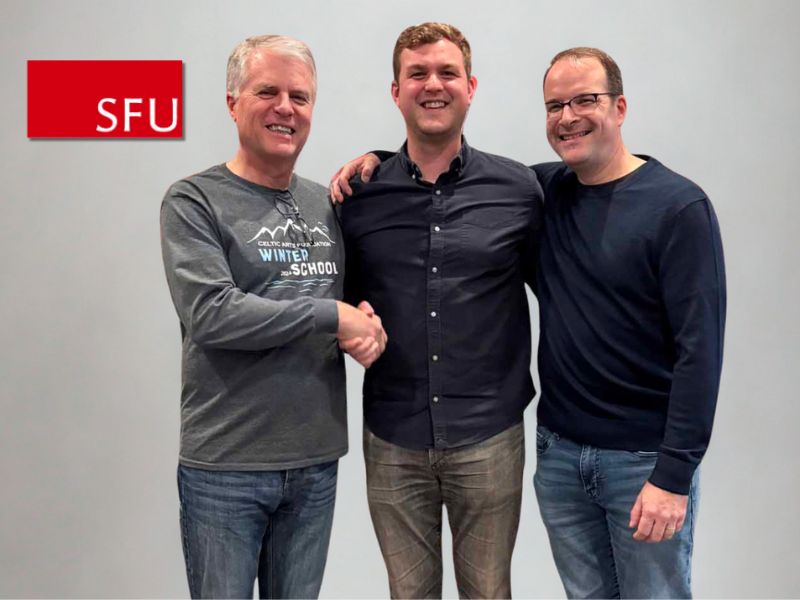
pipes|drums: It’s only a few days after the 2026 World Pipe Band Championships finished in Glasgow. And the winners, of course, unless you’ve been in jail, are Simon Fraser University. And we’re pleased once again to have the leaders of SFU: Pipe-Major Alan Bevan, Leading-Drummer Reid Maxwell, and Pipe-Sergeant Craig Sutherland to talk about their approach to winning the Worlds and how they did it.
First of all, guys, thank you for taking the time. I know that you’re recovering from hangovers and whatnot. But congratulations. It’s amazing stuff.
Alan Bevan: Thanks for having us.
pipes|drums: Some people might not realize one thing that dawned on me was I don’t think SFU actually had a competition for a year, for the entire year, since the last competition you had before this World Championships was the 2025 worlds, which is extraordinary. It might be unique; probably has never happened in the history of competitive pipe bands. But how on earth do you do it?
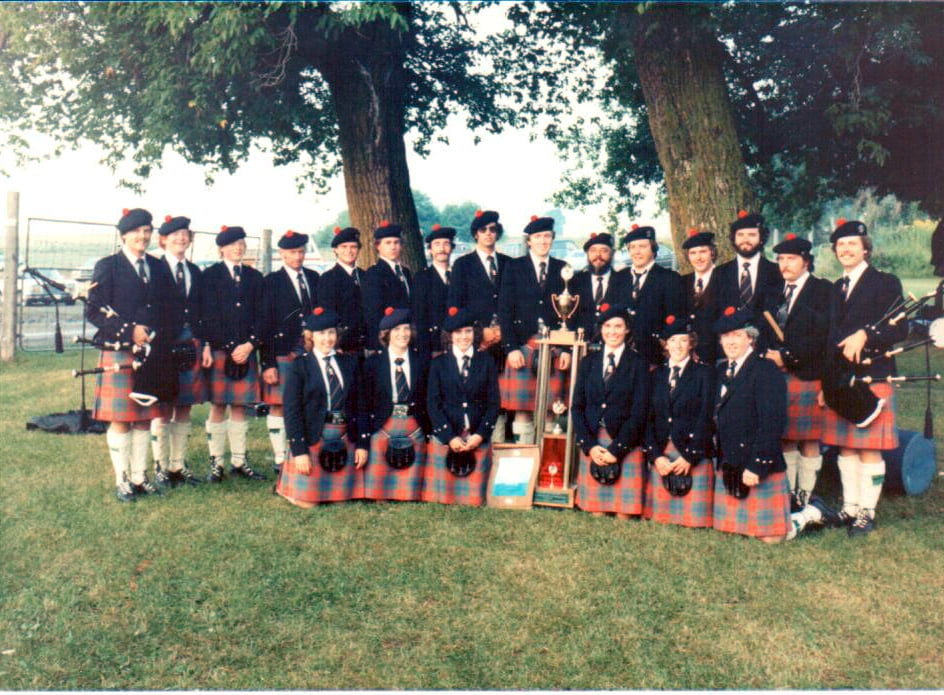
Alan Bevan: It’s really the culture of the band; I mean, it goes back to what Jack [Lee] and Terry [Lee] set as the standard. And I remember as a kid, long before I ever joined the band, hearing SFU play and they never phoned it in. They always had their A Game on at every contest, even if it was a local contest and they were the only band there. And that’s really stayed in the culture of the band.
There have been years when we had local competition, certainly, or other bands came in. Most recently, St. Thomas came up for the games in Enumclaw, the Seattle Highland Games, a couple of years ago. But that standard was kind of already set. When I stepped into the role, I tried to keep that ball rolling and maybe even push it a little more.
“We’re our own best competition. We’re very self-critical, and we treat every local contest like it’s a major. It probably helps that a lot of them coincide with majors in the UK or they’re within a week or so. We commit to putting videos up knowing full well that people are going to make comparisons.” – Alan Bevan
But we’re our own best competition. We’re very self-critical, and we treat every local contest like it’s a major. It probably helps that a lot of them coincide with majors in the UK or they’re within a week or so. We commit to putting videos up knowing full well that people are going to make comparisons. That puts a lot of pressure on us. We kind of see it that way. We’re still playing in front of judges. We’ve got some really knowledgeable judges who we play in front of locally. We take that feedback on board, and having someone there with a clipboard does put pressure on the players.
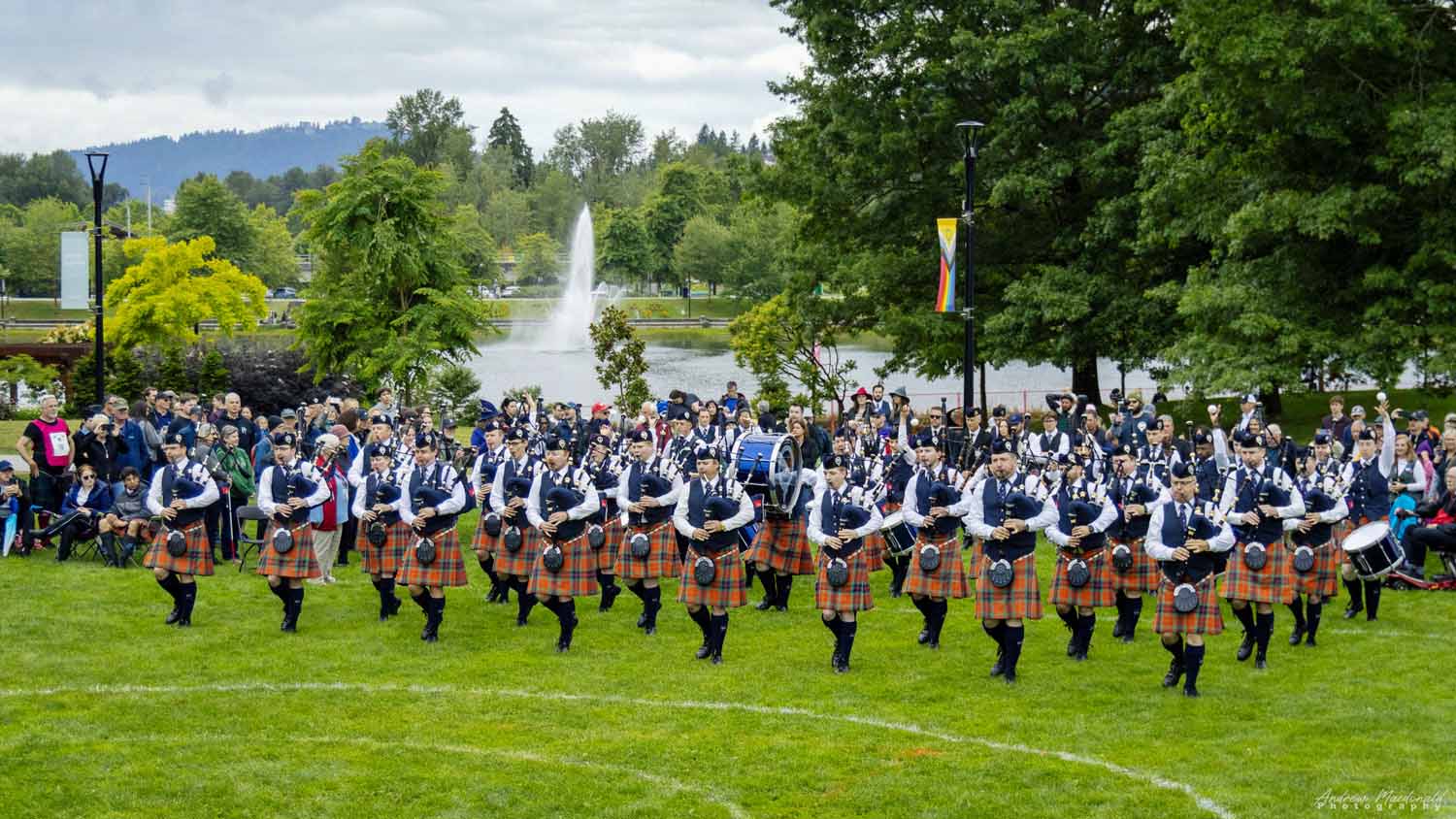
pipes|drums: You still are competition-ready by playing in front of judges, you attend the local games and visualize being at a major and all the timing that goes into that?
Alan Bevan: We treat it like a rehearsal. We’ll have a debriefing session after. Usually, Craig and I will talk about how we set things up, how long it took us, what would have happened if it rained, and we’ll have lots of conversations with Reid as well about the ensemble and how we felt the tempos were, and play back the video – if it felt like a nice relaxed run, we’ll listen to it and find it was like different than it felt. So, what do we do about that? There’s quite a bit of analysis that goes on afterwards, and we’re constantly kind of honing our system for what we do on contest day.
pipes|drums: And Reid, we counted, and for you, that’s your twelfth World Championship victory, counting the two you enjoyed with Ballingry School back in the 1970s, before you went into Grade 1 and 10 after that – seven with SFU, two with Dysart & Dundonald, and one with the 78th Frasers. Does it ever get old?
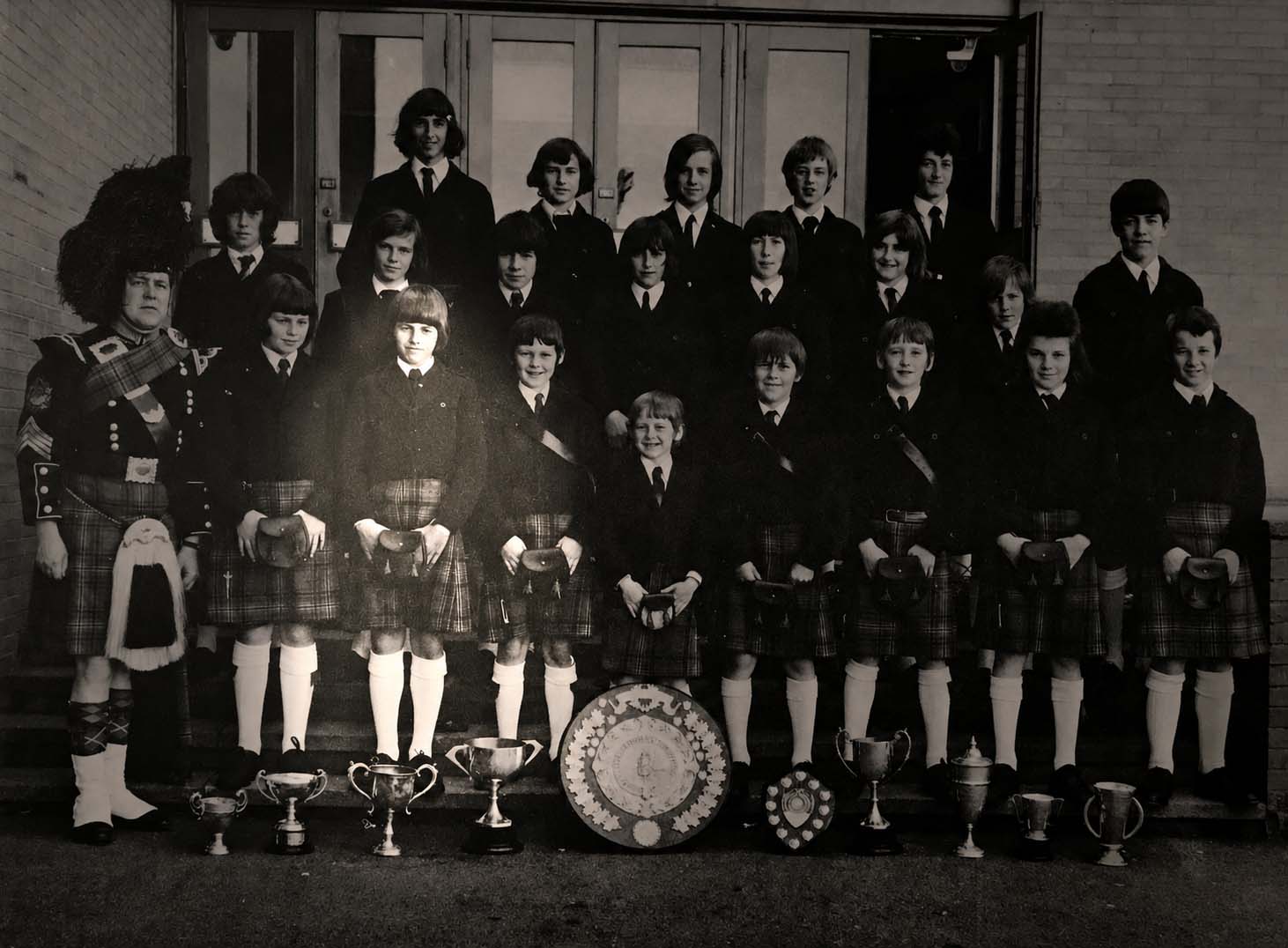
Reid Maxwell: I’m getting old, but no, it doesn’t. It’s fair to say that since I became old enough to really appreciate the magnitude of what it is, I never take it for granted. When the band won in 1995, it was awesome. I didn’t think we’d win again, and we did; then we went a couple years, and then we won again. Then we went for a few years, from 2001 to 2008. And when it happened, back-to-back [1995-96], it was great. And I didn’t even realize it had been 17 years since we last won. It was like when that stat was presented by Sunday; I was like, wow, it didn’t seem real.
“To win one more Worlds before I retire with Alan as a pipe-major so, that I could say that I’ve helped three people to win the Worlds, Bill Livingstone being the first, then Terry Lee, and now I’ve managed to help Alan get his first, and it’s kind of really special to be just involved in that kind of way.” – Reid Maxwell
The band’s evolved a little bit, like changing members; people have moved on. I have a great bunch of people that play drums in the corps Alan’s been the pipe major for a few years and I’ve always quietly had this really neat thing that it would be good to win one more Worlds before I retire with Alan as a pipe-major so, that I could say that I’ve helped three people to win the Worlds, Bill Livingstone being the first, then Terry Lee, and now I’ve managed to help Alan get his first, and it’s kind of really special to be just involved in that kind of way.
pipes|drums: And Alan’s not the only one to get his first Worlds. Craig Sutherland, first year as pipe-sergeant, filling the giant ghillie brogues of the famous Jack Lee. With your first World Championship, is a little bit of the pressure off you now?
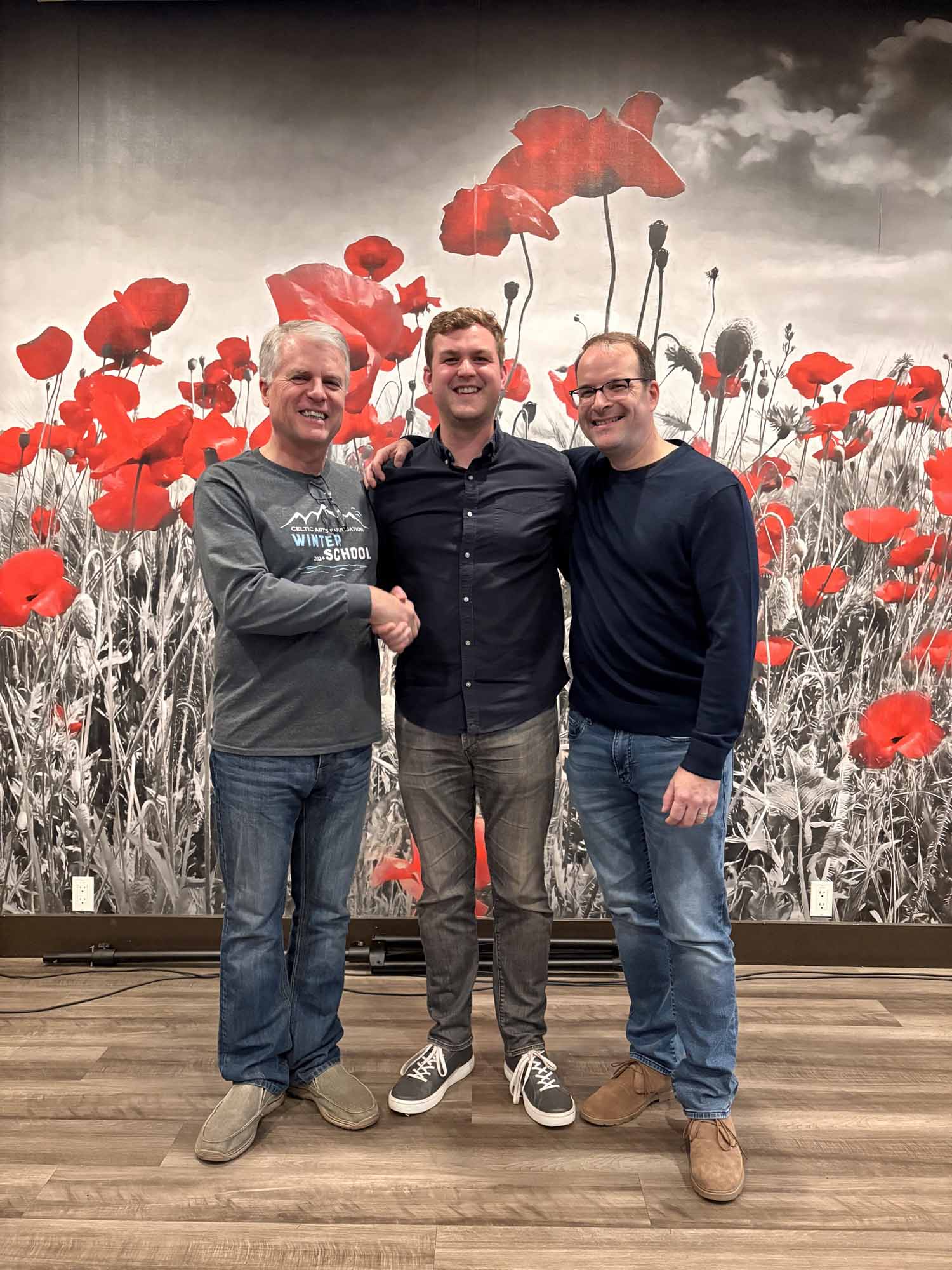
Craig Sutherland: Yeah, absolutely. Winning the Worlds has been a bit of a dream come true. It’s something I’ve always dreamt of, and I never quite saw a clear path to achieving it. It’s always great to come away with a win. We work as hard as we possibly can through the year, and obviously with Jack stepping back at the end of last year, the band suffered a big loss and I’ve worked tirelessly to try to close the gap there, support Alan and Reid as much as possible, support the team to get the absolute best out of everyone we have in the team and the music and the ensemble. It’s just great to see that all culminate in a win. It’s a great feeling.
“We work as hard as we possibly can through the year, and obviously with Jack stepping back at the end of last year, the band suffered a big loss and I’ve worked tirelessly to try to close the gap there, support Alan and Reid as much as possible, support the team to get the absolute best out of everyone we have in the team and the music and the ensemble. It’s just great to see that all culminate in a win. It’s a great feeling.” – Craig Sutherland
pipes|drums: The Worlds has just finished. You’re still probably recovering from that, and it’s all sinking in. But thoughts of next year? Are you going to take the same approach you have, playing at the local contests, whether there’s competition or not? And, for that matter, it reminds us back in July when we talked about your new medley, Alan, you said, “You never want anyone asking, ‘Why did they do that?’ because that instantly breaks the effect we’re trying to create. We want people to stay with us for the whole journey without making the music predictable.”
A number of top bands were seen pushing the boundaries, even if only a little, which is miles in the slow-moving pipe band world. Should we expect that approach again? Will it be your game plan for 2027?
Alan Bevan: To answer both questions, we haven’t had any discussions about that yet, but I would say what we did this year worked, so I don’t see doing anything radically different. But we’ll probably be developing a new medley for next year. We’ve already been brainstorming that.
We’ve done that balance before. It goes back again to the days when Terry was pipe-major, and he and Reid would have that very much in the forefront of their minds. It’s not an easy tightrope to walk, and some medleys are better than others, but I don’t ever want to have a bad tune in a medley that just fills a hole, or which is there for a gimmicky reason. We’re a very self-critical bunch. A cheesy effect on a break will get hooted down viciously at the first band practice we try it. We’ve all developed pretty thick skins; otherwise, you’d never put any ideas forward.
And we listen to feedback. We get out there and perform these things early in the season, and we are genuinely interested in how it goes over with the audience we’re playing in front of and, of course, the judging panel. We take all that on board.
pipes|drums: It certainly went over well at the 2026 World Championships. Everybody was very pleased for you. SFU is a band that’s impossible not to like. We’ll leave you to think about 2027 and get hard at work right away. And, Reid, given what you said, we hope to see much more of you. And once again, guys, congratulations, and we look forward to hearing you next time.
All: Thanks very much.
Our thanks again to Pipe-Major Alan Bevan, Leading-Drummer Reid Maxwell and Pipe-Sergeant Craig Sutherland for finding the time to speak with us.
Stay tuned for more from pipes|drums coming soon.
A correction was made on Aug. 22, 2026: An earlier version of this article incorrectly stated that SFU competed only once since the 2024 Worlds. In fact, Grade 1 St. Thomas Alumni of Houston travelled to compete at the 2025 Pacific Northwest Scottish Highland Games in Enumclaw, Washington. We regret the inadvertent error.


Never knew that man’s name, Robbie McNeill.
I remember him carrying spikey out of Scotstoun 1995, i was a little the worse for wear, he hasn’t changed a bit. Must me something in the Canadian water!
Good to see him looking well and congratulations to the band on a fantastic win